
Greece tours work for everyone: couples, families, friends traveling together and solo visitors. The country packs ancient ruins, island beaches and busy city streets into one easy trip. A good tour links them all smoothly, without stress or long planning.
This guide from My Greece Tours covers the sights, the kinds of tours and the extras that come with each one. It moves region by region, so every traveler can plan with confidence and pick a trip that fits you.
What Should You Know About Greece Tours In The Cyclades?
The Cyclades offer whitewashed villages, clear blue water and slow island days. Tours there suit couples, families, friends and solo travelers alike. Compare Greece tours and Tours In Greece before you book, then match the style to your own pace.
What should be on every list in the Cyclades?
Santorini draws many visitors to its cliff villages, where white houses cling to the rim of an old volcano. Mykonos adds its white windmills above the town, and Delos is a sacred island sanctuary full of ancient ruins and myths.
Milos hides pale sea caves that small boats glide into on calm summer days. Naxos has an old town of narrow lanes below a hilltop castle. Paros has the harbour of Naoussa, where small fishing boats rest beside waterfront tavernas.
How are Greece tours set up in the Cyclades?
Private tours with a driver-guide or skipper are priced per booking. Couples, families and friends split the cost and set their own pace. Boat cruises with swim stops suit anyone who loves the sea and a lazy afternoon.
Full-day trips from Athens by coach fit visitors who stay in the capital and prefer an easy start. Snorkel and beginner scuba trips suit curious swimmers. Cooking classes and wine tastings suit travelers who want flavor with their views.
Which services make Greece tours in the Cyclades easier?
Many boat tours serve lunch or a BBQ meal on board. Some add cold drinks, sometimes unlimited, so nobody hunts for a restaurant. A licensed or local guide shares stories that no map can give, and answers all your questions.
Snorkel gear comes with the swim stops, so beginners can try the clear, warm water without buying their own kit. Free time to explore and wine tastings round out the day, and let each traveler choose a personal pace.
Which tricks save time in the Cyclades?
Book morning departures, when the light is soft and the crowds are thin, especially in summer. Wear a hat and sun cream, and keep a light layer for the breeze on deck.
Pack a swimsuit, a towel, a spare shirt and flat shoes for slippery steps. Charge your phone before you leave, because the views deserve plenty of photos.
What Can You Expect From Greece Tours In The Classical Sites?
Greece tours in the classical sites bring ancient stories to life. A guide explains the ruins, and a good plan handles the roads. Anyone who wants depth can start with Greece historical tours and build a route from there.
What should be on every list in the classical sites?
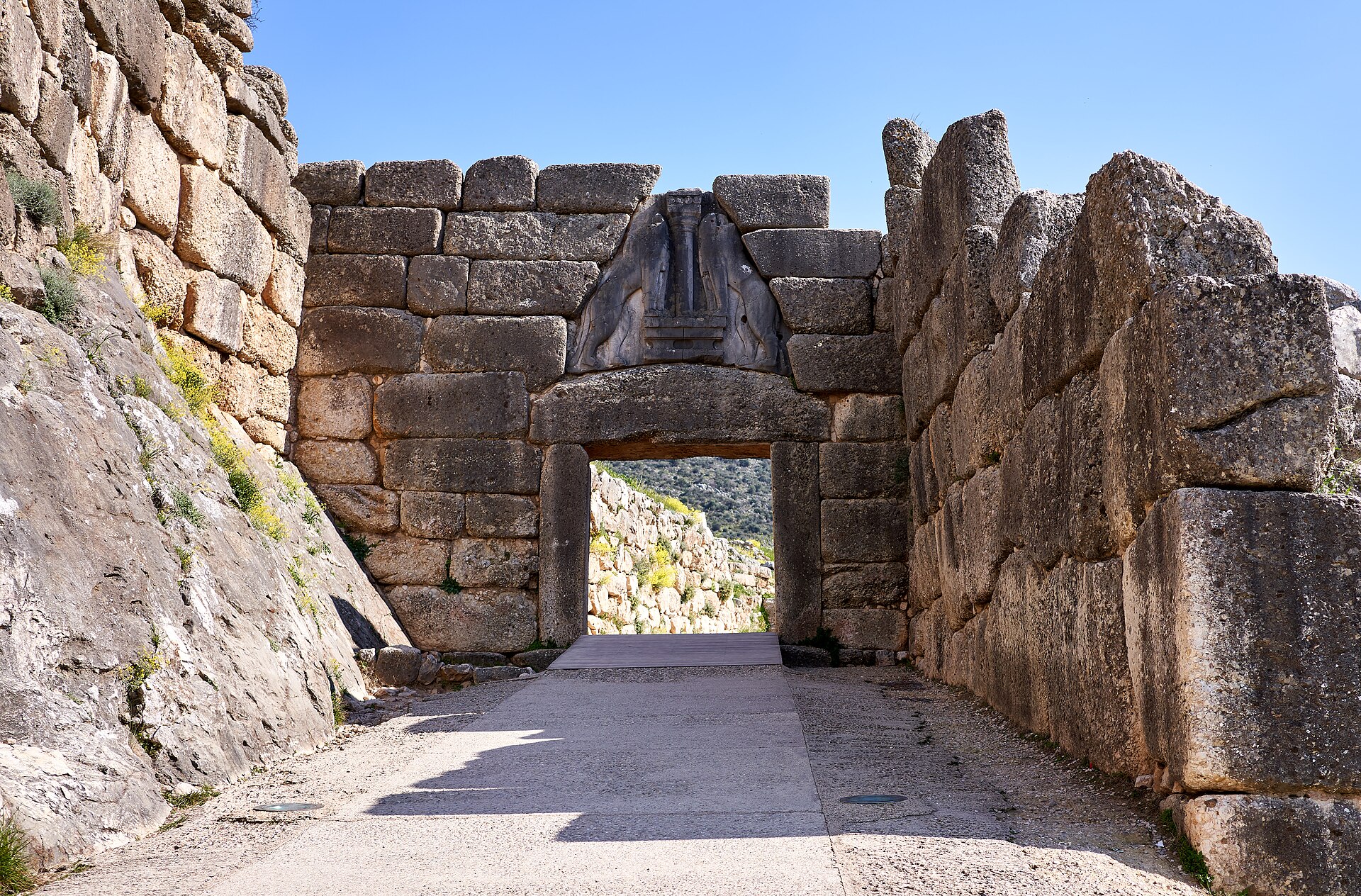
Delphi was a mountain sanctuary where visitors asked the oracle, a priestess, for advice. The monasteries of Meteora cling to the tops of tall rock pillars. Mycenae, a hilltop fortress called a citadel, greets guests with its famous Lion Gate.
Epidaurus keeps a theatre with superb sound, so a whisper on stage carries far. Nafplio is a very pretty harbour town. Ancient Olympia is the birthplace of the Olympic Games, and the canal at Corinth cuts straight through solid rock.
How are Greece tours set up in the classical sites?
Tours with small numbers of travelers keep things friendly and personal, which suits solo visitors and friends. Full-day trips from Athens by coach cover the big mainland sights without a rental car, and they suit busy families.
Guided walking tours suit curious travelers who want stories at every step. Entry tickets suit travelers who like to explore at their own pace. Multi-day tours with hotel nights suit couples who want a longer journey through the countryside.
Which services make Greece tours in the classical sites easier?
A licensed or local guide turns broken columns into living stories and answers questions on the spot. That matters most at big sites like Delphi, where the history is deep and the signs on site say little.
Entry tickets are included on many tours, so visitors skip the ticket desk and spend the time inside. On multi-day trips, hotel nights remove the stress of finding a room after a long day of travel and sightseeing.
Which tricks save time in the classical sites?
Start early at open-air sites, because the stone gets hot by midday. Wear sturdy shoes with grip, since marble and rock paths turn slippery. Early light also makes the best photos.
Carry water, a hat and a light scarf, since monasteries ask visitors to cover shoulders and knees. A small bag is easier to carry on steep steps.
What Do Greece Tours In Athens Offer Visitors?
Athens gives visitors ancient hills, lively markets and sea views in the same city. Its tours range from short strolls to full days out. Greece tours here suit every age, every taste and every budget, so everyone finds a fit.
What should be on every list in Athens?
The Acropolis rises above the city with the Parthenon and the Erechtheion. That temple is known for its statue columns shaped like women. The Acropolis Museum nearby shows ancient finds in bright, calm halls with glass floors over old ruins.
The Ancient Agora was the old marketplace, and the Temple of Olympian Zeus has giant columns. Plaka and Monastiraki buzz with lanes, cafes and shops. Lycabettus Hill offers a wide, open view, and Cape Sounion holds the Temple of Poseidon.
How are Greece tours set up in Athens?
Private tours with a driver-guide or skipper are priced per booking. That works well for families and friends who share the cost and want a flexible day. Guided walking tours suit solo visitors who want company and stories.
Boat cruises with swim stops along the coast suit couples and friends who want sun, sea air and calm water. Cooking classes and wine tastings suit food lovers who want to taste the real flavors of Greece.
Which services make Greece tours in Athens easier?
A licensed or local guide opens the city up, pointing out small details that a quick look alone would miss. On boat trips, lunch or a BBQ meal and cold drinks, sometimes unlimited, keep everyone fed, cool, relaxed and happy.
Swim stops give a cool break from the city heat and a chance to rest tired feet and legs. Wine tastings let visitors sample local bottles with a short story behind each one, which makes the evening feel personal.
Which tricks save time in Athens?
Plan around the weather, and read the best time to visit Athens before choosing dates. Summer afternoons are very hot, so reach the Acropolis early and the lanes of Plaka late.
Wear comfortable shoes for polished stone and steep lanes, and carry water and sun protection. Keep a light jacket for the cool evening breeze on a hill.
What Are The Best Greece Tours In Crete, Rhodes And Corfu?
These big islands give visitors ancient palaces, medieval towns and long sandy beaches. Every tour feels different from the one before it. Many travelers pick Crete as the starting point for Greece tours on the big islands.
What should be on every list in Crete, Rhodes and Corfu?
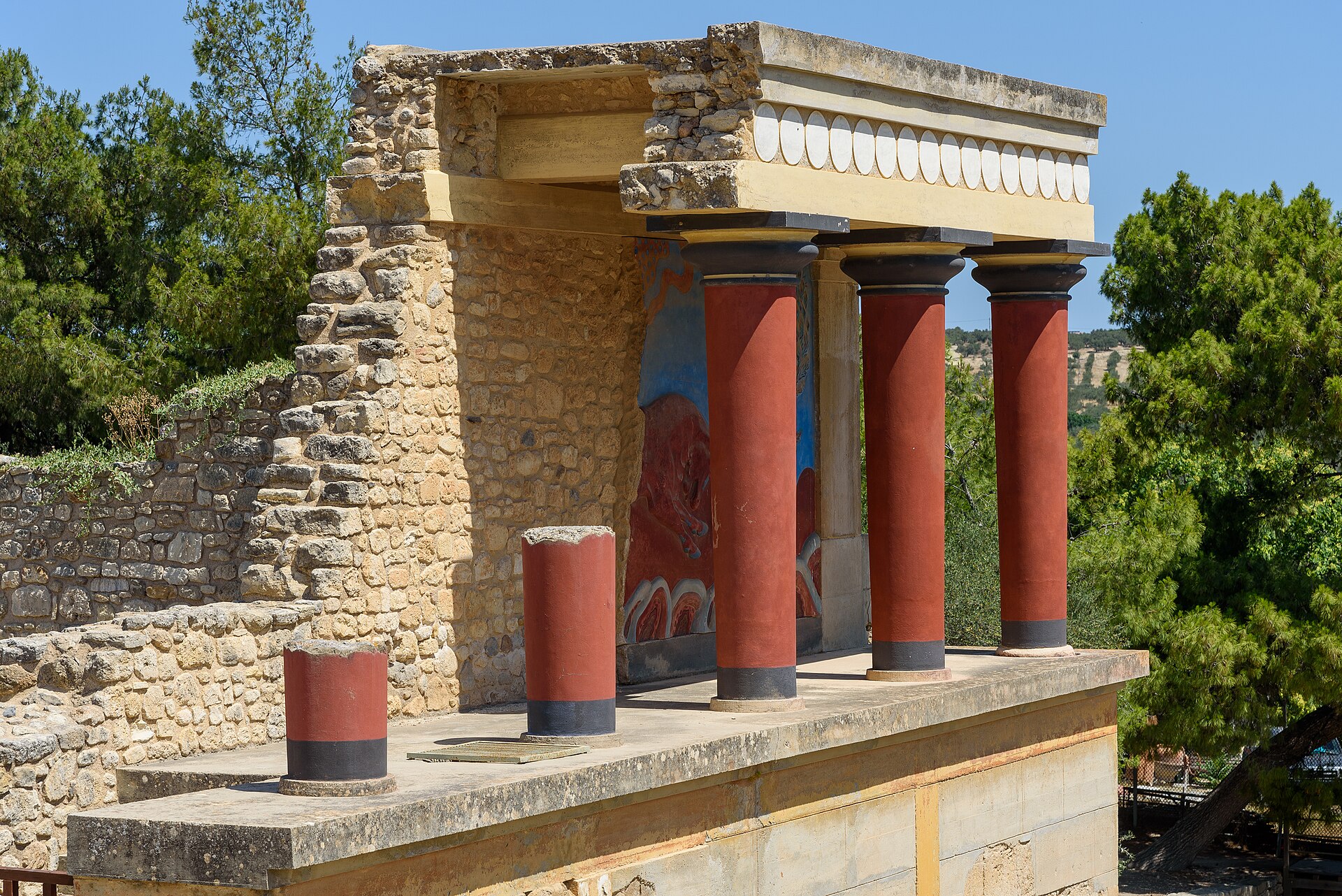
Knossos, near Heraklion, was the palace of the Minoans, a rich island people of ancient times. Chania charms with its Venetian port, where cafes line the old harbour. Balos lagoon shines in bright shades of turquoise beside soft pale sand.
On Rhodes, the Street of the Knights runs through the old walled town. The acropolis of Lindos, a hilltop ruin, looks down on white houses. Corfu has grand fortresses, and the Blue Caves of Zakynthos glow in the bright sunlight.
How are Greece tours set up in Crete, Rhodes and Corfu?
Private tours with a driver-guide or skipper, priced per booking, suit families and friends who want a custom, flexible route. Boat cruises with swim stops suit beach lovers and solo visitors who like meeting others.
Full-day trips from Athens by coach suit travelers who stay in the capital. Guided walking tours suit history fans. Entry tickets suit travelers who explore at their own pace. Cooking classes and wine tastings suit food lovers.
Which services make Greece tours in Crete, Rhodes and Corfu easier?
Lunch or a BBQ meal on the water turns a boat day into a feast. Drinks, sometimes unlimited, keep the mood light in the summer heat. Swim stops add a quick dip at each pretty bay along the coast.
A licensed or local guide explains the old stones at Knossos and in the fortress towns of Rhodes and Corfu. Entry tickets save time at busy gates, and wine tastings finish the day with local flavor.
Which tricks save time in Crete, Rhodes and Corfu?
Visit the big ruins in the morning, and save beaches and boat trips for the warm afternoon. Book popular cave and lagoon trips early, since calm sea days fill fast.
Bring a hat, reef-safe sun cream, a fast-drying towel and water shoes for pebbly coves. A light bag keeps your hands free on rocky paths and steep stairs.
Conclusion: Greece Tours, Planned Well
Greece tours reward travelers who match the tour to their own style and pace. Couples, families, friends and solo visitors all find a fit, from island boats to guided walks through ancient stone. Cooking classes and wine tastings add flavor.
Pick the region that excites you most, then add the services that make each day easy and relaxed. For a personal pace and a local guide, look at authentic private tours in Greece and plan your trip with confidence.
Frequently Asked Questions About Greece Tours
Can Greece tours mix islands and ancient sites?
Yes, many trips pair a relaxed island stay with a mainland visit to places like Delphi or Athens. Multi-day tours with hotel nights make that mix easy, since the plan handles all the travel and the bookings between stops.
Which month suits Greece tours best?
Late spring and early autumn bring a warm sea, soft light, mild air and fewer crowds than in midsummer. Summer suits beach days and boat cruises with swim stops, while spring and autumn suit long walks at ancient sites.
Are Greece tours good for couples?
Yes, couples enjoy boat cruises with swim stops, wine tastings and quiet corners of old towns. Private tours add a personal, flexible pace, and cooking classes make a fun activity to share on a quiet evening.
Which season is quietest for Greece tours?
Winter is the quietest season, with calm streets, short lines and empty corners at the big ruins. Island boats sail on fewer days then, so late spring and early autumn give the best balance of calm, sun and comfort.
How do you pick the right Greece tours?
Start with the places you most want to see, then pick a style that fits you: private, boat, walking or coach. Check what comes with each option, such as a guide, entry tickets, meals and free time to explore.
Do Greece tours include a guide?
Most do, and a licensed or local guide is a common part of walking, coach and private tours. Tours that sell entry tickets alone suit travelers who prefer to explore at their own pace, so read the details first.
How early should you book Greece tours?
Book Greece tours early for peak summer, holiday weeks, and anything with limited seats, such as small boats and sunset trips. Quiet months leave more room to decide closer to the travel date.
Peak season and holiday weeks
Summer and Easter week fill rooms, ferries, and tour seats quickly, so the best Greece tours sell out well before arrival. A guide to Greek holiday customs and traditions shows why local celebrations change travel plans.
Early booking also gives a wider choice of start times, guides, and meeting points. Late buyers take whatever is left, often a crowded slot in the middle of the day.
Families gain the most from planning in advance, because adjoining rooms and seats side by side disappear first. Booking early keeps the whole family together and relaxed.
Quiet months and flexible plans
Spring and autumn leave more seats open, so plans can stay flexible and easy. Even then, the best-loved day trips still sell out on fine days.
A smart habit is to fix your key days first and leave the rest open. It also helps to learn how to choose the right Greek tour before paying any deposit.
Solo travelers often book later, because a single seat is easy to find on most Greece tours. Even so, booking a morning departure in advance beats a lunchtime scramble at the ticket desk.
Cancellation terms matter more than the date on any booking for Greece tours. Look for a free change window, so a late flight or a sudden storm does not cost you the whole fee.
How do couples pick Greece tours?
Couples pick Greece tours by matching pace and mood, with slow sunset sailings for romance and long active days for adventure. Each partner should name one favorite thing to see before the plan is final.
Romance without the rush
Sunset sailings, wine tastings, and slow village strolls give couples time to talk and enjoy the view. Small boats and short walking loops keep the mood peaceful and quiet.
Evening Greece tours work well on islands, where the light turns golden and the crowds thin out. A relaxed dinner after the tour then ends the evening in a very natural way.
For a day built entirely around your tastes, look at private tours built around your pace. A private guide adjusts the plan as the day unfolds, so nobody feels rushed.
Photo stops, sea swims, and a long lunch by the water suit a slower rhythm. Ask the operator how much free time the schedule leaves between stops.
Shared adventures and different tastes
Hiking, kayaking, and cycling suit couples who like an active and energetic holiday. Partners with different energy levels can split the day into an active morning and an easy afternoon.
Walking is the simplest shared adventure, and this guide to exploring Greece on foot covers the basics. Comfortable shoes matter more than any other piece of gear on a long walking day.
Many couples add a monastery stop for the views and the quiet. This advice on how to visit Greek monasteries covers dress and manners, which keeps the visit respectful.
Cooking classes and tasting tours also work well for two, since both partners can taste, chat, and learn something new together.
How do you manage tickets for Greece tours?
Check what each tour includes, buy site tickets in advance for busy places, and keep every confirmation ready on your phone. Many Greece tours include entry, but some list it as an extra.
What the tour price covers
Read the booking page carefully before paying anything. It shows whether Greece tours include site entry, transport, meals, and a guide, or leave some of these out.
When entry is not included, buy the ticket yourself and keep it with your booking. A missing ticket at the gate can end a visit before it even begins.
Inside archaeological sites and museums, only state-licensed guides may lead a tour. A good operator confirms that its guide holds a valid license and tells guests where to meet.
Busy sites and safe records
The Acropolis is the busiest site in the country, and entry slots fill quickly. Read about buying Acropolis tickets in advance before you choose the day of your visit.
Early starts also help, and tips to avoid Acropolis crowds explain how to pick the calmest hours of the day.
Save a digital copy of every ticket on your phone and keep all papers for Greece tours in one folder. These safety tips for Greece tourists also cover passports and busy streets.
Printed copies help where the signal is weak, such as ruins on a hill or a ferry deck far out at sea.
How do you budget for Greece tours?
Budget for Greece tours by adding the tour itself, tickets, meals, transport, and tips, then keep a small cushion for extras. Costs stay easier to track when each part has its own line.
Where the money goes
Most spending on Greece tours falls into a few simple parts, shown in this short list:
- The tour fee, which is the largest single cost
- Entry tickets to sites and museums
- Meals, coffee, and cold drinks
- Ferries, taxis, and airport transfers
- Tips and small souvenirs
Boat days and private guides cost more than walking tours in town. Free time costs the least, so build a little of it into every itinerary.
Plan a little extra for sudden changes, such as a late taxi or a warm layer for a windy boat.
Smart ways to spend less
Eat lunch away from the main squares, where menus are simpler and cheaper. These budget tips for Greece visitors share more habits that stretch a trip.
Lightweight bags save money and stress on ferries, buses, and small island flights. This guide to packing light for island tours shows how to bring less and still feel ready.
Small tips for guides and drivers are welcome on Greece tours when service is good. A guide to cultural etiquette for Greece visitors explains polite habits at the table and on the road.
Compare one clear total from one operator with the cost of booking each day alone, because clear totals beat vague bundles.
Which Greece tours suit very hot days?
The best Greece tours for very hot days begin early, provide shade or sea breezes, and leave the midday hours free. Water, wide-brimmed hats, and lightweight clothes matter on every single one of these outings.
Early starts and shaded stops
Sunrise walks and morning site visits beat the heat, because stone ruins and open hillsides offer little shade by midday. Plan the hottest hours for a long lunch and a rest indoors.
A hat, sunscreen, and a refillable bottle matter more than any gadget. Families with children can shorten the walking distances, and these family-friendly Greece travel tips show how to pace a hot day.
Escorted trips often build the whole itinerary around the heat of the day. This guide on how to choose the right itinerary explains what to ask before booking.
Shaded courtyards, pine groves, and old village squares make ideal resting points. A guide who knows the area plans stops where the air feels cooler.
Sea days and indoor breaks
Boat trips, swim stops, and snorkeling keep travelers comfortable, since the sea breeze takes the edge off the sun. Greece tours by water are a natural pick for peak summer.
Museums and covered markets provide cool, shaded relief between outdoor stops, which helps tired legs recover. Mixing one sea day with one indoor day protects energy for the rest of the week.
The best time to visit Greece depends on how much heat a traveler enjoys, so check the season before choosing Greece tours.
Always wear a sun shirt or cover-up on deck, because the sun reflects off the water and burns skin quickly.
Which Greece tours suit windy days?
Land-based Greece tours suit windy days best, because strong wind can delay ferries and make small boats very rough for everyone. City walks and mainland sites carry on as planned, even when the sea turns choppy.
Ferries and boat trips
Strong summer wind, known as the meltemi, blows across the Aegean Sea. It can delay ferries and cancel small boat trips, so keep one spare day in the plan.
Read tips for ferry travel in Greece before planning any island crossings by sea. Then use these Greek ferry booking tips to compare routes and pick flexible tickets.
Larger ferries handle rough water better than small boats, and morning crossings are often calmer.
Choose Greece tours that offer a refund or a new date when a sailing stops. Wind decides the schedule on the day.
Land plans that stay comfortable
Village visits, museums, and mainland sites carry on as normal in the wind. Sheltered stops make the day comfortable, and Greece tours inland work well when the sea is rough.
Wind cools the air but carries dust, so a lightweight jacket and sunglasses help.
Guided walks through old towns also shelter travelers from the wind, since narrow lanes break the gusts. The result is a peaceful, pleasant morning even on a rough day.
Buses and trains keep running on days when the boats stop. Learn about exploring Greece by public transport to build a backup plan for any windy day.
Which Greece tours suit cooler days?
Cooler days suit walking, hiking, and large archaeological sites, so Greece tours on foot feel best in spring and in autumn. Crowds are thinner too, and the light is softer for photos.
Walking and hiking weather
Cool air makes long walks, village trails, and large ruins far more pleasant. Spring brings green hills and wildflowers, while autumn brings gentle seas and soft light.
Layers work best, because mornings feel cold and midday feels warm once the sun climbs. Sturdy shoes matter a great deal on old stone paths and steep mountain trails.
Daylight is shorter in autumn and winter, so start walks in the morning and plan a warm lunch afterward.
Many Greece tours slow down in cooler months, which gives guides more time to talk and answer questions. Travelers can ask for more detail at every stop along the route.
Festivals, food, and local life
Cooler months bring local life into focus, from harvest feasts to church festivals. This guide to seasonal events to see in Greece shows what happens in each season.
Visitors can participate in village customs with respect and a little preparation. Read how to experience local Greek traditions for polite ways to take part.
Churches, small museums, and family workshops remain welcoming all year. Greece tours in cooler months meet more locals and face fewer queues.
Cozy tavernas and relaxed lunches fit a cool day well, especially after a long walk. A warm meal by the fire is a treat on any trip.
Which Greece tours suit rainy days?
Rainy days suit museums, cooking classes, covered markets, and food tastings, while many Greece tours move indoors or switch to other days. Rain rarely ruins a whole plan when a backup is ready.
Indoor plans that work
Museums, workshops, and market halls keep a wet day interesting and full. Inside museums, only state-licensed guides may lead a tour, so book a licensed guide for the best stories.
Food tastings suit rain well, because the best dishes taste warmer indoors. See Greek food to try on tour for ideas on what to order.
Cooking classes teach local recipes and give travelers something to bring home. Greece tours with a kitchen stop turn a gray day into a highlight.
Covered arcades in old towns let travelers browse craft shops and cafés while the rain passes. Indoor stops also let children touch, taste, and make things.
Backup plans and flexible days
Operators often swap a rained-out outing for another day or an indoor option. Ask about the weather policy in writing before paying for any Greece tours.
Wet marble becomes slippery quickly, so shoes with good grip and a lightweight rain jacket belong in the bag. Learn a few words from essential Greek phrases for travelers to ask about changes at the desk.
Carry a waterproof bag for phones, tickets, and cameras, because small things get wet fast. Wet paper tickets fall apart quickly, so a screen copy saves the day.
Friends sharing a trip can split the tasks, and this guide for trip organizers helps with timing and backup plans.
Which places do Greece tours visit?
Greece tours visit small islands, ancient mainland sites, and large islands with long coasts, so most trips mix all three types. Each list below links to a full place guide, so readers can learn more before choosing.
Islands
Island stops bring beaches, sea views, and relaxed village life that suit couples, families, friends, and solo travelers alike. Many travelers link several islands by ferry to keep the trip varied and fun.
- Santorini: views over a flooded volcano crater, white clifftop villages, and famous sunsets
- Naxos: long sandy beaches, mountain villages, and a giant ancient marble gate
- Paros: pretty fishing harbors, whitewashed lanes, and calm beaches for families
- Milos: white volcanic rock shores, sea caves, and quiet little fishing hamlets
- Ios: lively nightlife, sandy bays, and a hilltop white town above the harbor
Mainland
Mainland stops bring ancient history, mountain scenery, and city life. Inside archaeological sites, only state-licensed guides may lead a tour, so check that the guide holds a license.
- Athens: the Acropolis, the Parthenon, and a lively old town full of cafes
- Delphi: an ancient holy site where people once asked the gods for advice
- Meteora: huge rock pillars topped by monasteries built long ago
- Olympia: the birthplace of the ancient Olympic Games and a vast stadium
- Mycenae: a hilltop fortress city with the famous Lion Gate and royal tombs
Large islands
Large islands offer more beaches, old towns, and country roads than small ones. Travelers can stay several days and still find new places to explore. Buses and day trips reach the quiet villages as well as the main towns.
- Rhodes: a walled old town built by knights, plus long sandy beaches
- Corfu: an elegant old town with Venetian streets, green hills, and calm bays
- Kefalonia: turquoise bays, dramatic mountains, caves, and the famous Myrtos beach
- Zakynthos: Shipwreck Beach, blue sea caves, and nesting sea turtles on sandy shores
How do you plan Greece tours over eight days?
Plan Greece tours over eight days by starting in Athens, adding mainland sites next, and finishing on a calm, relaxed island. This order keeps travel simple and saves the beaches for the end, when everyone needs rest.
Start with Athens
Athens works best as the first stop, because international flights land there. The city holds the Acropolis, large museums, and the old Plaka streets.
Take the metro or walk, since the main sights sit close together in the center.
Give the Acropolis a morning visit and spend the afternoon in a museum or an old neighborhood. Jet lag fades while the sights stay close together.
Walk the old streets at dusk, when the heat fades and the cafes fill. A slow first evening helps travelers settle into the trip.
An Athens, Santorini, and Mykonos itinerary shows how a slightly shorter trip can work, with the same mix of city and sea.
Add mainland sites
Delphi, Meteora, and Olympia sit outside the capital, so they suit the middle days. Pick the sites that match your interests rather than trying to see every one.
Travelers who plan alone can read about self-guided Greece itinerary planning for route and timing ideas.
A night near Delphi or Meteora cuts the driving time and gives quiet views at sunrise, before the day visitors arrive.
Mycenae and Olympia fit well together on a loop through the Peloponnese, the large southern part of the mainland. A rental car or a day tour makes the route simple.
Finish on the islands
Islands make a relaxed ending after busy sightseeing. Travelers can pick one island and stay put, or link neighboring islands by ferry for more variety.
Read about Greek island hopping to learn how routes and ferry days fit together on Greece tours.
Match the island to your mood. Lively Ios suits nights out, quiet Milos suits sea caves, and Santorini suits sunset views.
Leave the last day free, because ferries and flights can run late. A calm final day also leaves time for packing and one last swim.
More questions about Greece tours
Most Greece tours handle common worries with clear rules, so questions about access, weather, tips, snacks, pace, and boats have simple answers. The six answers below explain each one in plain words, with no jargon.
Are Greece tours suitable for wheelchair users?
Many Greece tours work for wheelchair users, but access varies by site, so ask about ramps, lifts, and vehicles first. Ancient sites have uneven stone and steep paths, while museums, city drives, and some boats are easier.
What happens if weather cancels Greece tours?
Most operators move the tour to another day, offer a swap, or refund the booking when weather makes it unsafe. Read the cancellation policy before paying, and keep a spare day in the plan for sea trips.
Can you thank a guide on Greece tours?
Yes, a warm thank-you and a small tip are always welcome, though tipping is never required. A kind online review for the operator also helps a guide a great deal and costs nothing. Keep small change ready.
Can you bring snacks on Greece tours?
Yes, small snacks and a refillable bottle are fine on most Greece tours, but not inside museums and sites. Boats and buses have their own rules, so ask the crew before opening anything. Carry a small bag for wrappers.
Are Greece tours fine for people who walk slowly?
Yes, Greece tours suit slow walkers when the pace is easy and rest stops are frequent. Ask about the route and the number of steps first, since a private guide can set the speed. Cafe breaks make the day easier.
Can a family book a private boat on Greece tours?
Yes, a family can book a private boat, and the skipper plans the route and swim stops around the children. Ask for child-size life jackets when booking, and check that the boat has shade for hot days.
See more in 24wresydraulikos: